The Value of an Air Clearance Certification
You require an air clearance certification to lawfully reoccupy any kind of area after remediation, as it's your recorded proof that interior air quality meets strict regulatory restrictions. Without it, you can not verify airborne risks like asbestos, lead, or mold and mildew have been sufficiently eliminated, risking health, legal, and insurance consequences. Regulatory authorities, insurers, and courts depend on this proof to shut out projects and avoid obligation. Understanding exactly how qualification works and its benefits can assist assure your building stays safe and certified.
Takeaways
- Validates that indoor air top quality after removal meets regulative safety and security criteria for hazardous contaminants.
- Gives documented proof of conformity, securing home owners from lawful and economic obligation.
- Guarantees occupant health by validating harmful materials like asbestos, lead, and mold are listed below harmful degrees.
- Required for project bargain, re-occupancy, and insurance recognition after hazardous product remediation.
- Stops future disputes and governing fines by showing detailed, evidence-based air high quality analysis.
What Is an Air Clearance Certificate?
When you're dealing with dangerous materials removal, an air clearance certification is an official record that validates the air quality in a specific area meets regulative standards after abatement tasks. You'll need to recognize that this qualification is based on a series of post-remediation air samples, which are checked for pollutants such as asbestos, lead, or mold. The procedure assesses indoor air flow and air flow rates to assure that airborne dangers have actually been successfully eliminated and the area is secure for re-occupancy. Certified experts gather and evaluate the samples based on local, state, and government guidelines. If the air quality passes all regulative limits, you'll receive the air clearance certification as evidence of compliance. This file is essential for showing that your remediation job appropriately addressed all wellness risks.
When Do You Need an Air Clearance Certificate?
You'll require an air clearance certificate after finishing a removal job to verify that air high quality meets safety and security requirements. Regulatory companies often mandate this documentation to guarantee compliance with wellness and environmental legislations. Without it, you can not lawfully reoccupy or use the remediated space.
Post-Remediation Job Completion
After removal job has actually been completed, regulative guidelines and market ideal methods normally require an air clearance certification to validate that the environment is safe for re-occupancy. You'll require to schedule a article remediation evaluation, which involves a detailed evaluation of the treated location to validate all contamination sources have actually been dealt with. artex removal specialists During this process, specialists carry out interior air high quality verification by accumulating air examples and contrasting contaminant levels to established security thresholds. If the outcomes fulfill or surpass these criteria, an air clearance certificate is provided, validating the space is secure for residents. This evidence-based technique not just shields wellness however additionally provides documented evidence that removal initiatives worked. Without this certification, you can not be specific that re-occupancy will not present ongoing health and wellness risks.
Regulatory Compliance Requirements
Although details needs might differ by jurisdiction, regulative companies usually mandate an air clearance certification following remediation of hazardous materials such as mold, asbestos, or lead. You'll need to acquire this certification before reoccupying a site or completing project closeout. Meeting governing timelines is essential— delays can cause conformity audits, fines, or lawful challenges. The table below sums up usual regulative assumptions:
Material
Clearance Trigger
Typical Governing Timeline
Asbestos
Post-abatement
24— 72 hours
Mold and mildew
After removal
24— two days
Lead
End of lead removal
48— 72 hours
General VOCs
Site purification
As specified by neighborhood regulations
Remaining current with regional, state, and government guidelines guarantees you're planned for conformity audits and maintain job stability. Always validate regional requirements to stay clear of costly missteps.
Typical Projects That Require Air Clearance Qualification
When embarking on activities that disrupt materials known or thought to contain unsafe substances like asbestos, lead, or mold and mildew, an air clearance certificate is commonly a regulatory need. You'll commonly experience this required during industrial demolition, where massive elimination of structure components might launch fibers or dirt right into the air. Heating and cooling decommissioning is another job where air clearance is vital, considering that dismantling ductwork or insulation can disturb hidden impurities. Remodellings in older frameworks, especially schools or medical facilities, additionally demand clearance to verify the setting is secure for re-occupancy. Insurance coverage insurance claims adhering to water or fire damages typically call for documented air high quality reconstruction. By securing an air clearance certification, you're showing conformity with legal standards and protecting owner wellness prior to reusing or reoccupying the project site.
Vital Air Quality Specifications for Accreditation
Before an air clearance certification can be provided, you'll need to make specific that the site's air quality fulfills rigorous regulative limits established by government, state, and local agencies. Qualification requirements are made to protect passengers and employees from harmful airborne impurities such as asbestos fibers, lead dirt, mold and mildew spores, or unpredictable natural compounds. You're required to verify that pollutant concentrations fall below permitted direct exposure limits defined in guidelines like OSHA, EPA NESHAP, or pertinent state codes. Air tasting and laboratory evaluation need to validate that remediation or abatement tasks have effectively eliminated or reduced pollutants to appropriate degrees. Without fulfilling these air top quality demands, you will not attain compliance or safe and secure accreditation. Strict adherence to qualification criteria guarantees both lawful compliance and a risk-free environment for all developing customers.
How the Air Clearance Certification Refine Works
As soon as removal or abatement activities are complete, the air clearance certificate process starts with a comprehensive website inspection and air sampling conducted by a certified specialist. You'll see that the expert complies with a rigorous sampling method, which details where and how samples are accumulated to guarantee depictive results. Vacuum screening is commonly used to attract air from surface areas or confined areas, capturing potential particulate contamination that might remain after clean-up. The gathered air examples are after that examined in certified research laboratories to determine concentrations of unsafe compounds like asbestos or mold and mildew spores. If the results adhere to regulatory limitations, the area is regarded secure for reoccupation. This procedure ensures all required actions are taken to validate that air high quality fulfills recognized health and wellness criteria before clearance is approved.
Who Can Release an Air Clearance Certificate?
To ensure regulatory conformity and reliable results, just qualified professionals are licensed to release an air clearance certification. You'll need to make sure that qualified assessors or 3rd party professionals— those that fulfill certain training and certification requirements— are involved for this job. Regulatory bodies often mandate that these professionals make use of evidence-based procedures, calibrated tools, and standardized tasting techniques.
Right here's a fast comparison of certificate providers:
Issuer Kind
Trick Requirements
Licensed Inspectors
State or government licensing, recognized training
Third Party Professionals
Independent, not affiliated with removal
Regulatory Agencies
Oversight, might examine or evaluate accreditation
Picking a qualified issuer reduces disputes of passion and assures compliance with local, state, and government regulations. Just these professionals can offer documentation that takes on analysis and regulatory evaluation.
Choosing a Reliable Air Clearance Service Provider
Navigating the process of selecting a reputable air clearance carrier requires a careful analysis of qualifications, regulative conformity, and technological experience. You'll wish to verify that the provider employs competent inspectors who hold current accreditations appropriate to air top quality assessment. Confirm the organization's adherence to acknowledged standards such as OSHA, EPA, or regional laws, as this assurances step-by-step stability and lawful compliance. Analyze the company's use calibrated tools and confirmed sampling approaches, which are vital for precise results. It's additionally necessary to identify whether the supplier supplies recurring monitoring services, as regular review is usually necessary to maintain compliance and react to changing site problems. asbestos waste removal Assessing these aspects will aid you choose a practically proficient and reliable air clearance provider.
Why Air Clearance Certificates Issue for Wellness and Safety and security
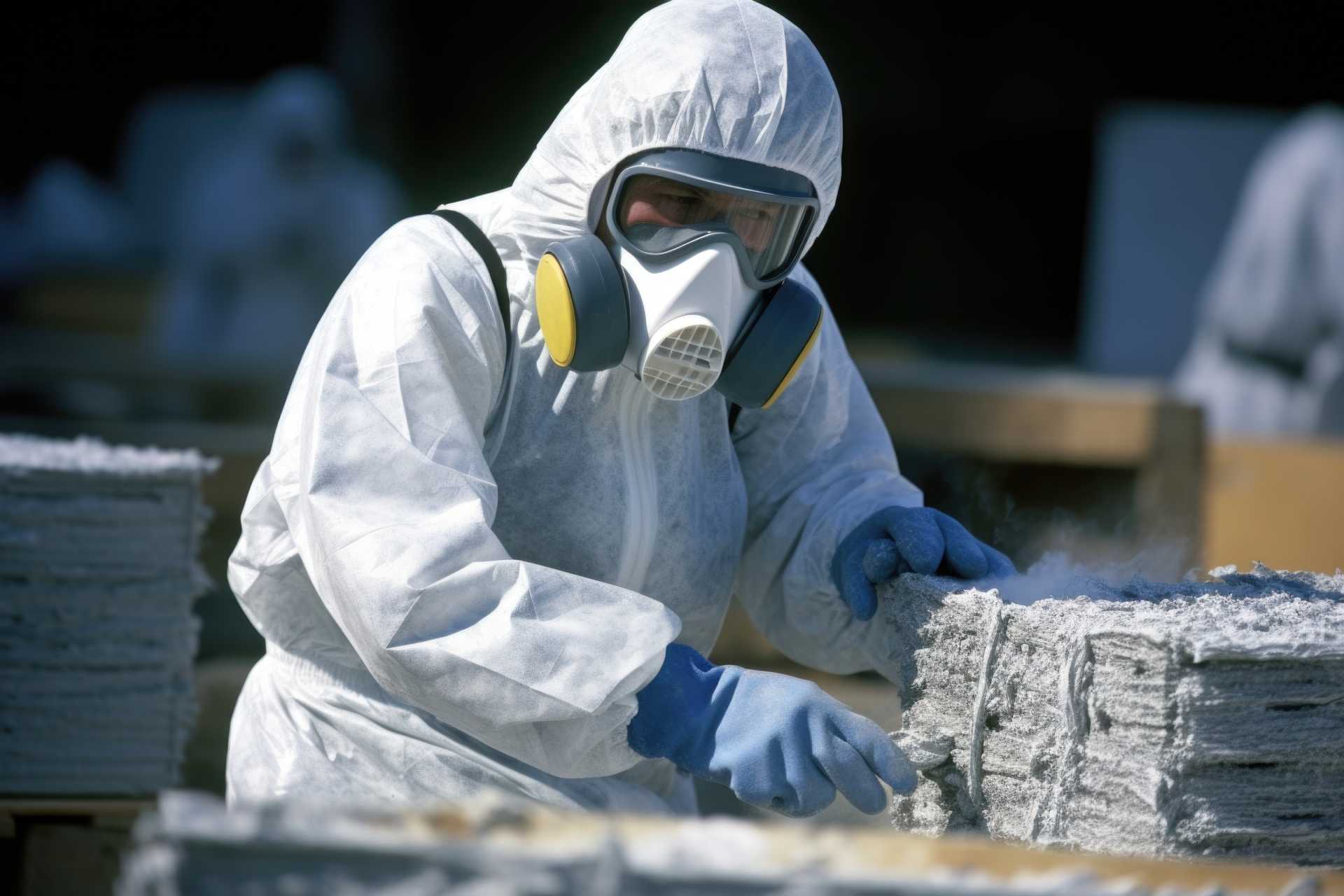
You require an air clearance certification to verify that airborne pollutants are below dangerous degrees, straight shielding occupants' health and wellness. It's likewise necessary for meeting legal and regulatory requirements, minimizing your threat of non-compliance penalties. Proof reveals that certified atmospheres substantially reduced exposure to dangerous materials.
Stopping Hazardous Air Direct Exposure
Although air-borne contaminants may not always show up, they're a considerable danger in atmospheres where unsafe products like asbestos, lead, or mold have been disrupted. You require to recognize that even tiny particles, such as mold spores, can set off respiratory problems or allergies. Chemical off gassing from constructing materials or cleaning up agents further compounds the threat, specifically in encased spaces. An air clearance certification guarantees that extensive air top quality testing has actually been performed by certified professionals. This process verifies that harmful pollutant levels are within safe, acceptable limitations prior to reoccupancy. By getting this accreditation, you're proactively stopping direct exposure to substances that can adversely affect health and wellness. It's an essential action in securing occupants, decreasing liability, and keeping a risk-free indoor atmosphere adhering to remediation activities.
Ensuring Regulatory Compliance
Safeguarding an air clearance certification doesn't just safeguard health— it's also a basic requirement under government, state, and regional regulations regulating hazardous products. Without this certificate, you run the risk of non-compliance, which can lead to severe charges during governing audits. Agencies like OSHA and the EPA call for rigorous paperwork to verify that unsafe impurities have been appropriately dealt with.
Policy
Risk of Non-Compliance
Needed Activity
OSHA 29 CFR 1910
Fines, closures
Air clearance screening
EPA NESHAP
Legal liability
Licensed clearance
State Rules
Task hold-ups
Conformity training
Neighborhood Statutes
Permit retraction
Continuous tracking
Routine compliance training for your team ensures everybody comprehends present criteria, reducing the threat of offenses. By maintaining up-to-date qualification, you show a dedication to both wellness and regulative responsibility— shielding your employees and your company.
Legal and Insurance Advantages of Qualification
When an Air Clearance Certification is acquired after removal work, it functions as recorded proof that a property fulfills governing air top quality requirements, which can be essential for both legal compliance and insurance claims. You'll discover that many insurance companies need such certification for insurance validation, ensuring your plan remains efficient and avoiding disputes in case of future insurance claims. Additionally, having a legitimate certification supplies legal indemnity; if you're tested concerning interior air high quality or remediation efforts, this paperwork demonstrates that you've met due persistance and governing assumptions. Courts and regulative companies typically reference these certifications to fix liability or neglect concerns. By securing an Air Clearance Certificate, you're not only pleasing policies but likewise safeguarding your monetary and legal rate of interests with concrete, evidence-based documentation. https://raynesparkasbestosremoval.co.uk/services/garage-shed-roof-removal.html
Threats of Missing Air Clearance Certification
Failing to get an Air Clearance Certification after remediation exposes you to considerable regulative, monetary, and wellness threats. Without proper air tasting, you can't validate that contaminants have actually been adequately eliminated, which might leave harmful deposits behind. Governing authorities may impose charges or stop your task if you can't demonstrate conformity via certified clearance. Monetarily, you run the risk of refuted insurance cases and increased project expenses if further remediation is needed. Wellness risks escalate, as unnoticed air-borne contaminants can cause long-term effects for residents or workers. Additionally, avoiding accreditation makes complex stakeholder communication— clients, insurance providers, and regulators anticipate recorded proof of risk-free conditions. Omitting this step weakens depend on and exposes you to obligation. Air clearance certification is necessary for transparent procedures and lasting risk monitoring.
Reading and Comprehending Your Air Clearance Certificate
Carefully evaluating your Air Clearance Certification is vital to assure that remediation has satisfied regulative criteria and that interior air quality is risk-free for re-occupancy. When you get the certificate, concentrate on air sampling results, as these information factors form the basis for certificate interpretation. Validate that all tested locations satisfy local or federal clearance requirements. Focus on sampling techniques, areas, and results to ensure validity and compliance. If outcomes aren't plainly within risk-free restrictions, don't think twice to seek clarification or retesting. Interpreting this paper properly secures your health and wellness and lawful standing.
Feeling Safe
Really feeling Uncertain
Really feeling Enlightened
Passed all samples
Outcomes unclear
Criteria cited
Certificate clear
Missing details
Techniques described
Prepared to re-enter
Retesting required
Worths described
Often Asked Inquiries
How Much Does Obtaining an Air Clearance Certification Commonly Cost?
You'll commonly pay in between $250 and $600 for an air clearance certification, relying on your area and the dimension of the location. Average costs consist of assessment prices, research laboratory analysis, and documentation to assure governing conformity. Some providers may charge added if added tasting or expedited results are required. It's important you choose a qualified professional, as regulations require evidence-based testing and proper clearance prior to any re-occupancy or project closure.
Can Air Clearance Certificates Be Transferred Between Homeowner?
Like a key with your name on it, air clearance certifications typically aren't transferable between homeowner. You'll require to meet particular ownership transferability standards, and a lot of regulatory companies require brand-new paperwork requirements for every owner. This assures the building's air top quality meets current criteria at the time of sale or occupancy. So, you can't simply turn over the certificate; you'll need to go via the appropriate regulatory and documentation procedure every single time possession modifications.
For how long Is an Air Clearance Certification Valid?
An air clearance certificate is commonly legitimate for a limited period, usually varying from 30 to 90 days, depending upon your regional regulations. You'll need to examine your territory's details period limits, as exceeding this duration might need certification renewal prior to occupancy or further work. Regulative authorities set these limitations to guarantee continuous compliance and safety and security, so you can not count on an run out certificate for legal or insurance coverage purposes— always confirm the present validity.
What Occurs if Re-Testing Is Needed After a Failed Assessment?
If an examination falls short, you'll require to deal with the issues by applying restorative steps before organizing retesting. The retesting timeline depends upon just how swiftly you can resolve the shortages and regulatory requirements. It's necessary to follow all conformity methods and make use of evidence-based approaches to rectify issues. Only after passing the follow-up inspection will certainly you receive clearance. Recording each step assurances regulatory compliance and provides a record of rehabilitative actions for future reference.
Are Digital Copies of Air Clearance Certificates Accepted by Authorities?
You'll find that in today's world, electronic duplicates of air clearance certificates are more typical than rainfall in April! The majority of authorities do approve them, provided digital verification methods are utilized to confirm credibility. With cloud storage space, you can access certificates immediately and assure safe document administration. Nonetheless, always check regional regulations, as some agencies could still call for physical copies for full regulatory compliance. https://raynesparkasbestosremoval.co.uk/services/refurbishment-demolition-survey.html Proof reveals digital paperwork rates up authorization and recordkeeping procedures.